
Sourdough Milk Bread Loaf
A soft, pillowy sandwich loaf that swaps the crackly crust of our Plain Sourdough Loaf for an enriched, tender crumb, made using the tangzhong method for extra softness.
Why You’ll Love It
- Impossibly soft, tender crumb thanks to the tangzhong (a cooked flour-and-milk paste) folded into the dough.
- A great next step after Plain Sourdough Loaf if you want a beginner-friendly sandwich bread instead of a crusty artisan loaf.
- Naturally leavened, so it keeps better than a store-bought soft loaf.
- Slices cleanly for sandwiches and toast.
Ingredients
Volume measurements are included for convenience, but they’re approximate – a kitchen scale will always get you a more consistent loaf, especially for the flour.
A closer look at what makes this loaf so soft, and what you’ll need on hand.
- Tangzhong flour (25 g): a small portion of the total flour, cooked into a paste to pre-gelatinize the starch.
- Tangzhong milk (125 g / ½ cup): cooked with the flour into the roux; this is the technique that makes the crumb so soft.
- Bread flour (400 g / 3¼ cups): the bulk of the dough’s structure.
- Whole milk (90 g / ⅓ cup plus 1 Tbsp): adds richness and tenderness alongside the tangzhong.
- Active sourdough starter (100 g / scant ½ cup): fed and near peak for reliable rise.
- Granulated sugar (45 g / 3 Tbsp): feeds a softer, slightly sweet crumb typical of milk bread.
- Unsalted butter (40 g / 3 Tbsp): softened, for a tender, rich texture.
- Egg (1 large): adds structure and richness to the dough.
- Fine sea salt (7 g / about 1¼ tsp): balances the sweetness.
- Egg wash (1 large): brushed on before baking for a shiny, golden crust.
Equipment
- Small saucepan: for cooking the tangzhong.
- Stand mixer with dough hook: makes kneading this soft dough much easier.
- 9×5-inch loaf pan: the standard size for this recipe.
- Pastry brush: for applying the egg wash evenly.
- Instant-read thermometer: the most reliable way to check doneness.
Sample Schedule
Day 1
- Feed your starter 4 to 6 hours before mixing so it's active and doubled.
- Make the tangzhong, cool it, then mix the dough and knead.
- Bulk ferment at room temperature for 3 to 4 hours until puffy.
- Shape into a loaf, place in the pan, cover, and refrigerate overnight for 8 to 12 hours.
Day 2
- Remove the pan from the fridge and let the loaf proof at room temperature for 1.5 to 2.5 hours, until it domes above the rim.
- Preheat the oven to 350°F (175°C).
- Brush with egg wash and bake for 28 to 32 minutes, until deep golden and 190°F (88°C) internally.
- Cool in the pan for 10 minutes, then turn out onto a wire rack and cool completely before slicing.

Sourdough Milk Bread Loaf
Method
- Cook the tangzhong flour and milk together into a smooth paste, then cool to room temperature.
- Whisk the cooled tangzhong, milk, and active starter together until smooth.
- Mix in the flour, sugar, and salt to form a shaggy dough.
- Add the softened butter and egg, then knead 8-10 minutes until smooth and elastic.
- Bulk ferment 3-4 hours at room temperature until puffy.
- Shape into a loaf and place seam-side down in a greased 9×5-inch loaf pan.
- Cover and refrigerate overnight, 8-12 hours.
- Let proof at room temperature 1.5-2.5 hours until domed above the pan.
- Brush with beaten egg and bake at 350°F (175°C) for 28-32 minutes, until 190°F internally.
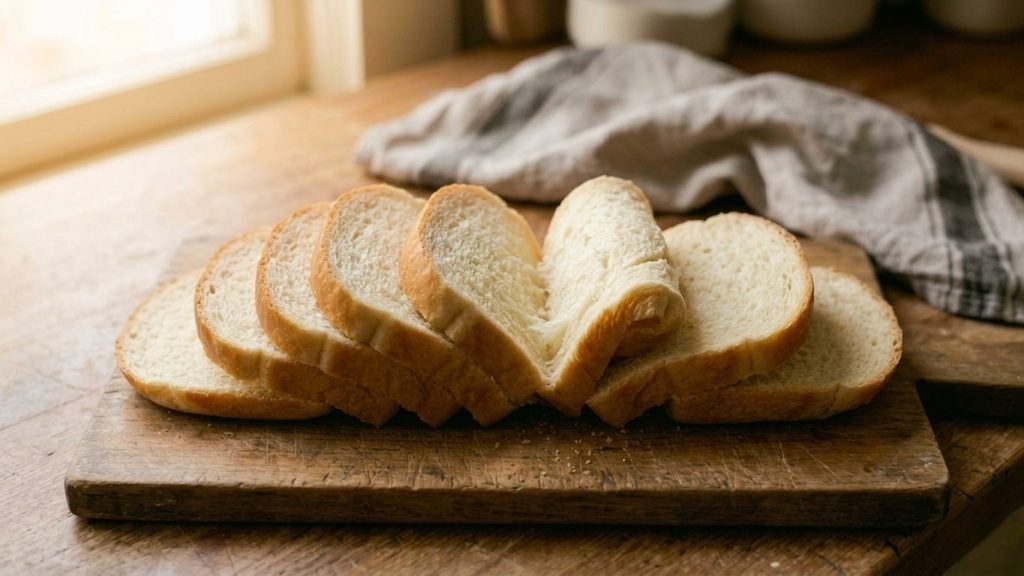
- Cool in the pan 10 minutes, then turn out and cool completely before slicing.
Notes
Save This Recipe
Get it emailed to you now, plus new recipes as they go up.
Your email is safe with me. I’ll send this recipe straight over. No spam, ever—and you can unsubscribe anytime.
How to Make It
1Feed Your Starter. Feed your starter 4 to 6 hours before mixing, until it’s doubled, domed, and passes the float test.
2Make the Tangzhong. In a small saucepan, whisk the tangzhong flour and milk together until smooth. Cook over medium-low heat, whisking constantly, until it thickens into a soft paste, about 2 to 3 minutes. Remove from heat and cool to room temperature.
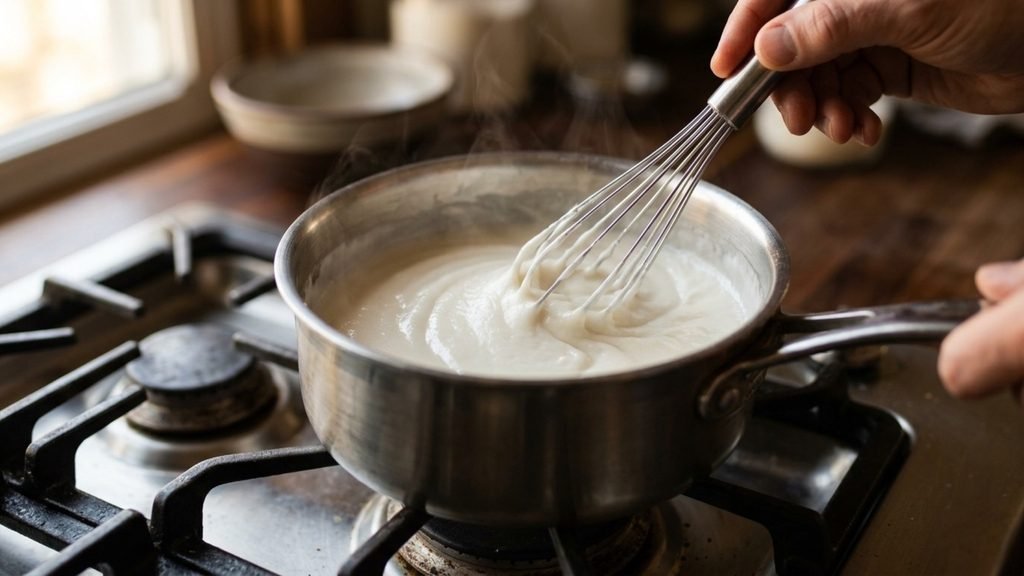
3Mix the Dough. Combine the cooled tangzhong, milk, and active starter, whisking until smooth. Add the flour, sugar, and salt and mix to a shaggy dough. Add the softened butter and egg, then knead 8 to 10 minutes until smooth, elastic, and slightly tacky.
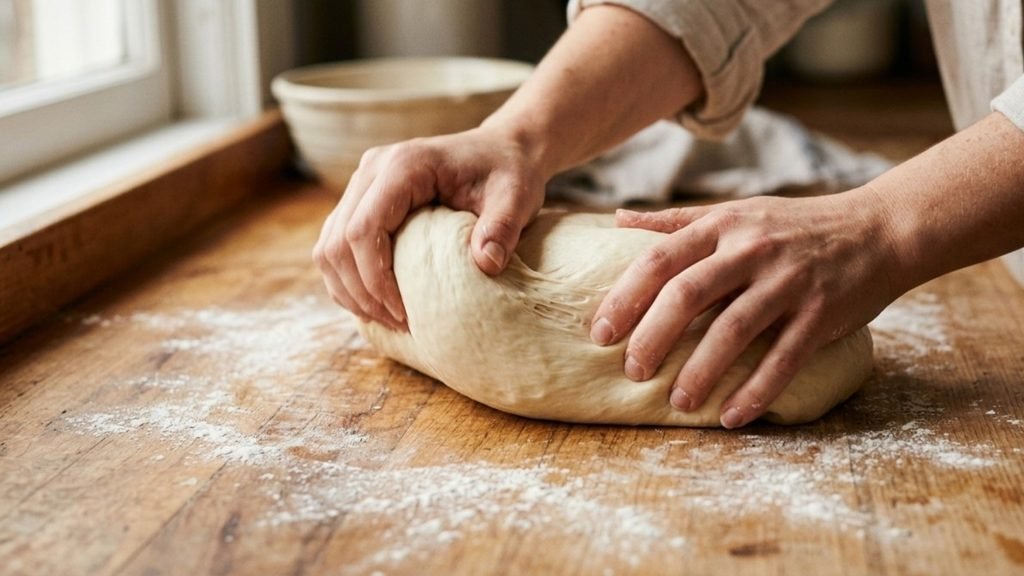
4Bulk Ferment. Cover and let the dough rise at room temperature for 3 to 4 hours, until visibly puffy.
5Shape the Loaf. Turn the dough out, pat into a rectangle, roll up tightly into a log, pinch the seam closed, and place seam-side down into a greased 9×5-inch loaf pan.
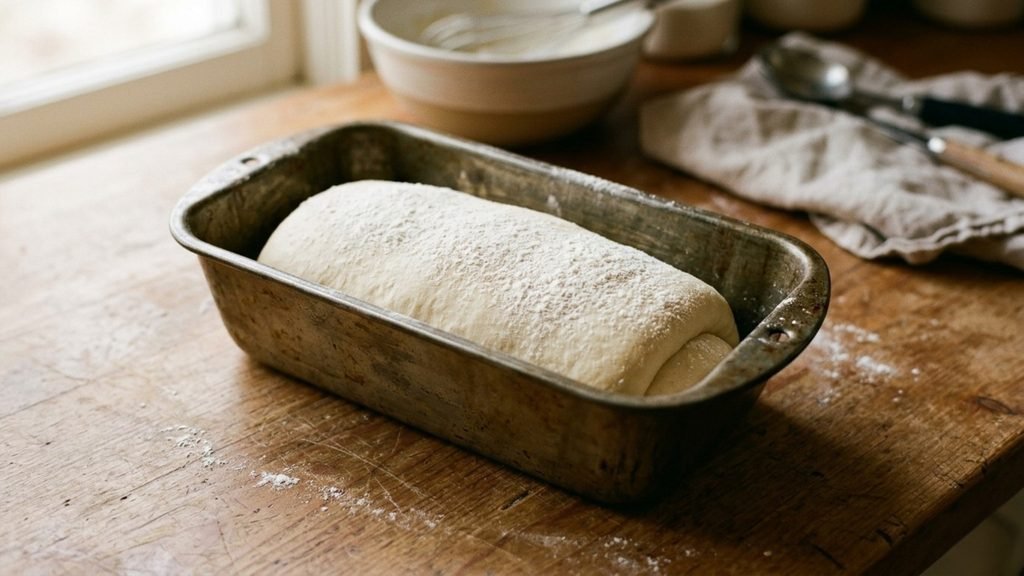
6Cold Retard Overnight. Cover tightly and refrigerate overnight, 8 to 12 hours.
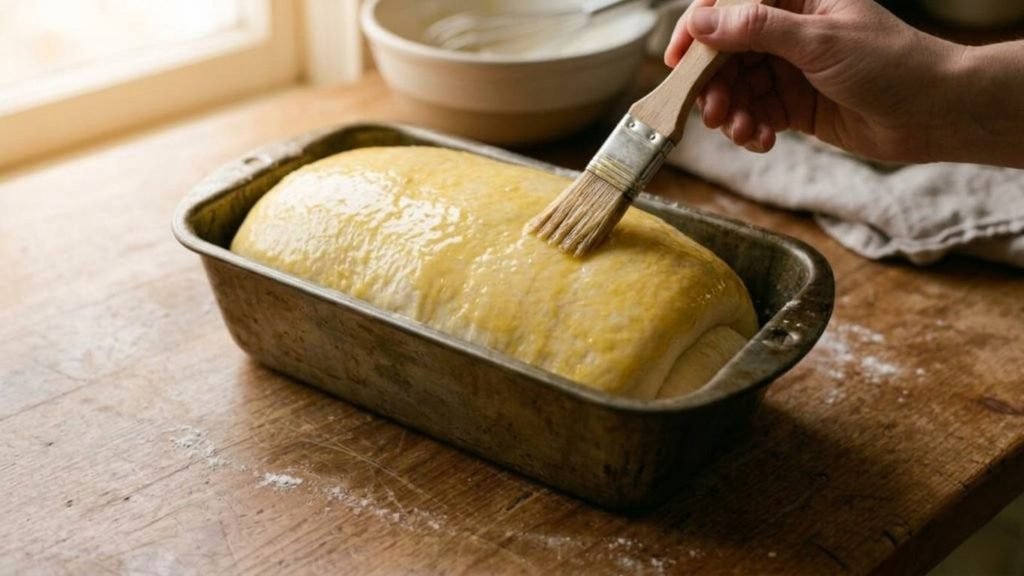
7Final Proof and Bake. Let the pan sit at room temperature for 1.5 to 2.5 hours, until the dough domes above the rim. Preheat the oven to 350°F (175°C). Brush the top with beaten egg, then bake for 28 to 32 minutes, until deep golden brown and 190°F (88°C) internally.
8Cool Before Slicing. Cool in the pan for 10 minutes, then turn out onto a wire rack and cool completely, about 1 hour, before slicing.
Tips & Troubleshooting
- Don’t skip the tangzhong: it’s the single biggest factor in how soft this loaf turns out.
- Dough texture: this dough should feel softer and more elastic than a lean bread dough; if it’s tearing instead of stretching, keep kneading.
- Browning too fast: tent with foil if the top browns too quickly before the center is done.
- Pale, dull crust: just means you forgot the egg wash – not a dealbreaker, just less glossy.
How to Store
Room temperature: in an airtight bag for up to 4 days – the softest keeping quality of any bread on the site.
Refrigerator: up to 1 week.
Freezer: sliced for up to 3 months; toast straight from frozen.
Nutrition
Nutrition estimated per slice (1 of 14) and will vary depending on the exact ingredients used.
175
CALORIES
28
CARBS (G)
5
PROTEIN (G)
5
FAT (G)
3
SAT. FAT (G)
4
SUGAR (G)
Desi’s Notes
My first few attempts at milk bread were dense until I started using the tangzhong method – cooking a small portion of the flour and milk into a thick paste before mixing traps extra moisture and makes the crumb noticeably softer. Don’t skip this step even though it adds one extra pot to wash. As always, adjust for your flour and kitchen.
Before You Bake
Scaling this recipe up or down? Run your numbers through the Sourdough Calculator. And if you want a printable reference for troubleshooting or timing, browse all six Printable Quicksheets.
Knead to Know?
New recipes, baking tips, and sourdough troubleshooting — delivered before your starter even finishes its next rise.
Get the latest insights, no spam — just new recipes and baking tips. Unsubscribe anytime. See our Privacy Policy.



Tried this recipe? Leave a star rating below — it takes 10 seconds and helps other bakers decide what to make next.
Baked this recipe your way? Share it in Community Bakes and inspire other readers.