
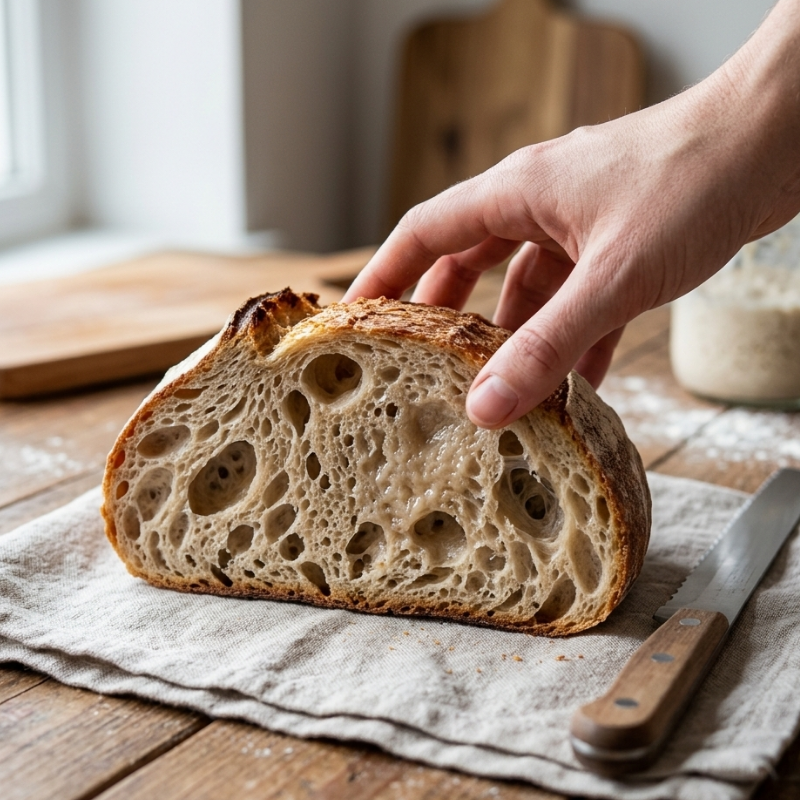
Why Your Starter Behaves Differently in Florida Heat
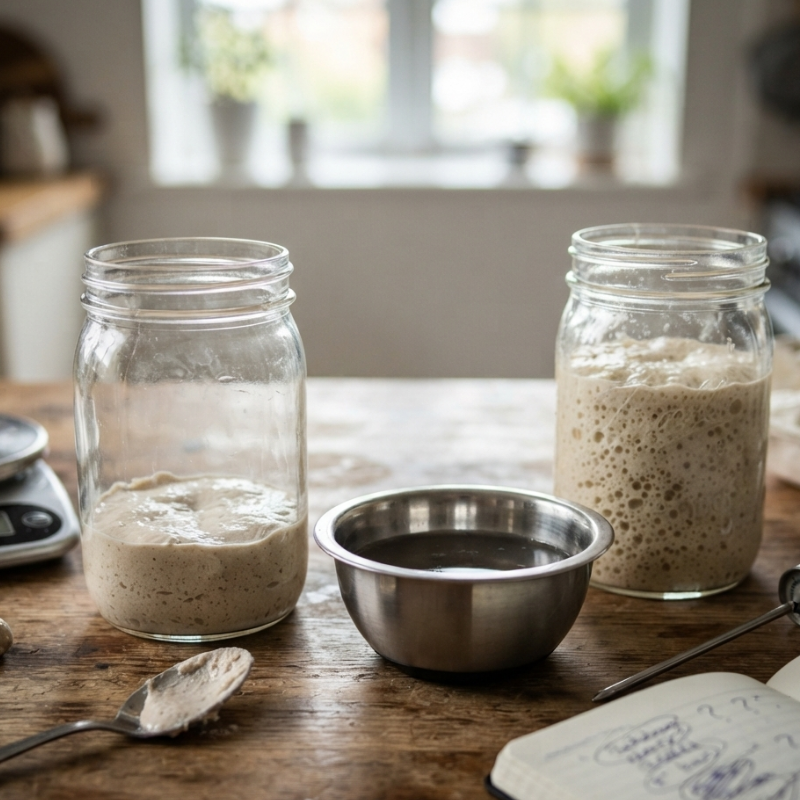
A starter behaves like a completely different creature in a hot, muggy kitchen than it does in a mild one. Here’s how heat and humidity change fermentation and what to adjust because of it.
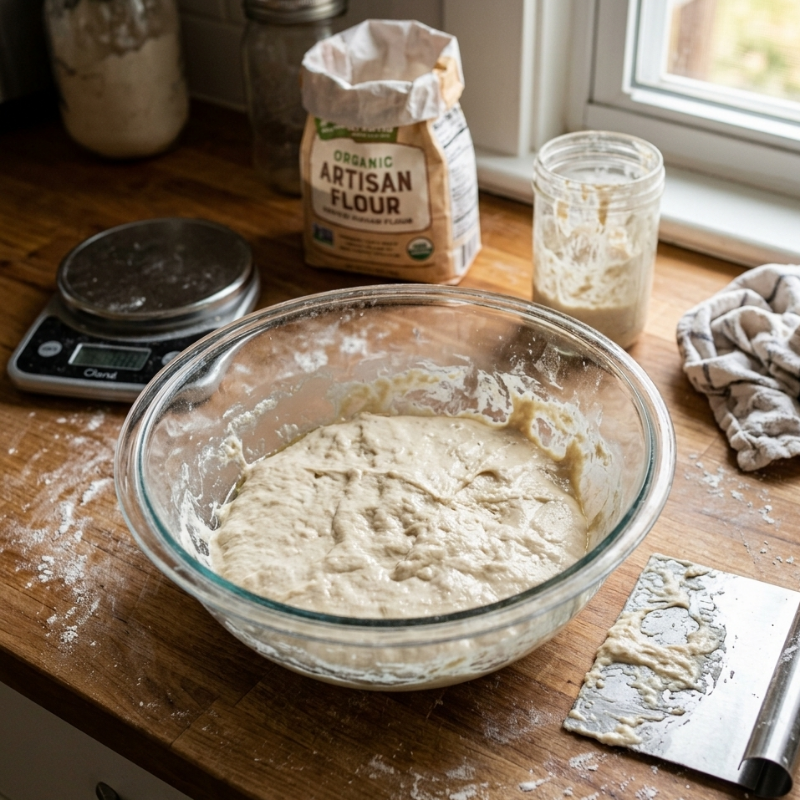
High ambient temperatures and heavy humidity change the sourdough rules entirely, accelerating fermentation into overdrive and turning dough into a sticky, unmanageable puddle. Discover essential adjustments-from using ice water and reduced starter percentages to leveraging your refrigerator-so you can bake pristine loaves even in tropical weather.
Not sure which symptom is yours? Try the visual What’s Wrong With My Loaf? guide – match it to the fix in one click.
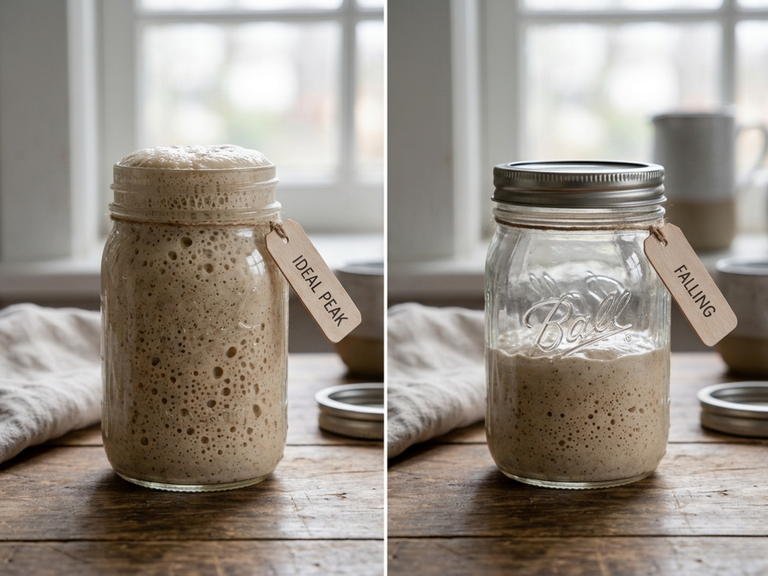
A starter behaves like a completely different creature in a hot, muggy kitchen than it does in a mild one. Here’s how heat and humidity change fermentation and what to adjust because of it.
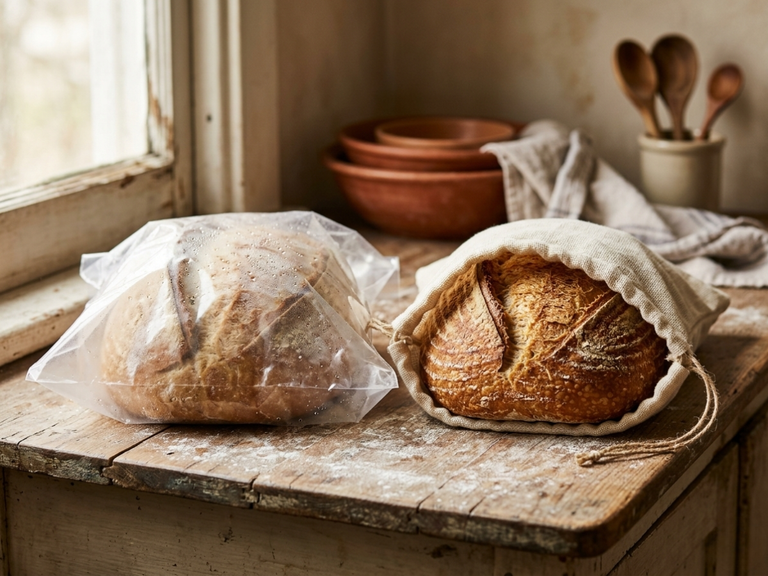
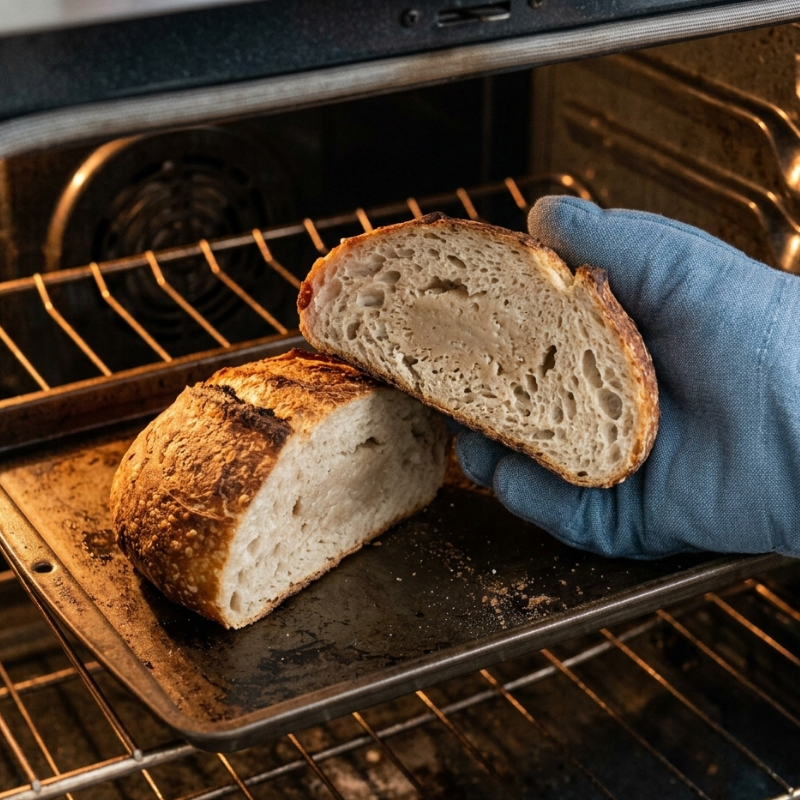
Humidity can turn a crisp, freshly baked loaf soft and moldy within a single day. Here’s why humid air does this to sourdough and how to store bread so it actually lasts.
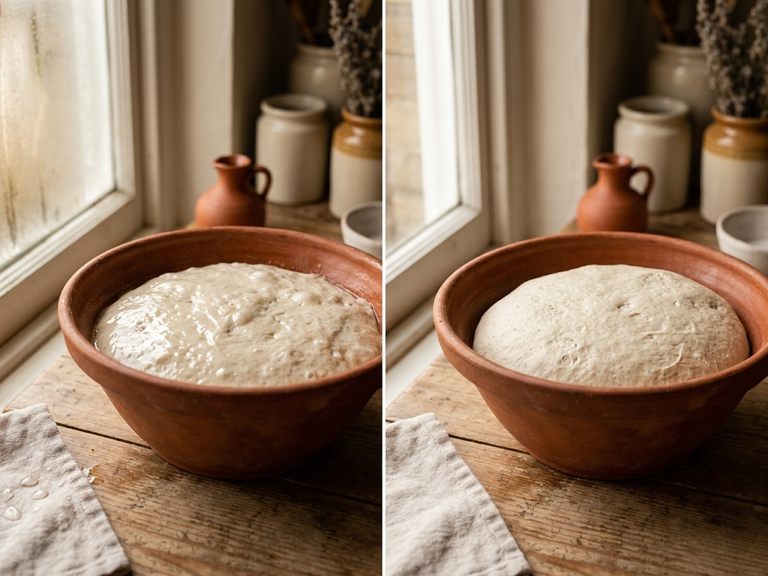
Humidity quietly rewrites every timing guide you’ve ever read, speeding up fermentation and softening dough in ways that catch new bakers off guard. Here’s how to adjust hydration and proofing.